Editorial Selection — Visual Life
Character Dance: A Study in Theatrical Presence and Form
A continuation of the legacy series by Arnold Szmerling.
Capturing Motion: Character Dance at the Christine Walsh School
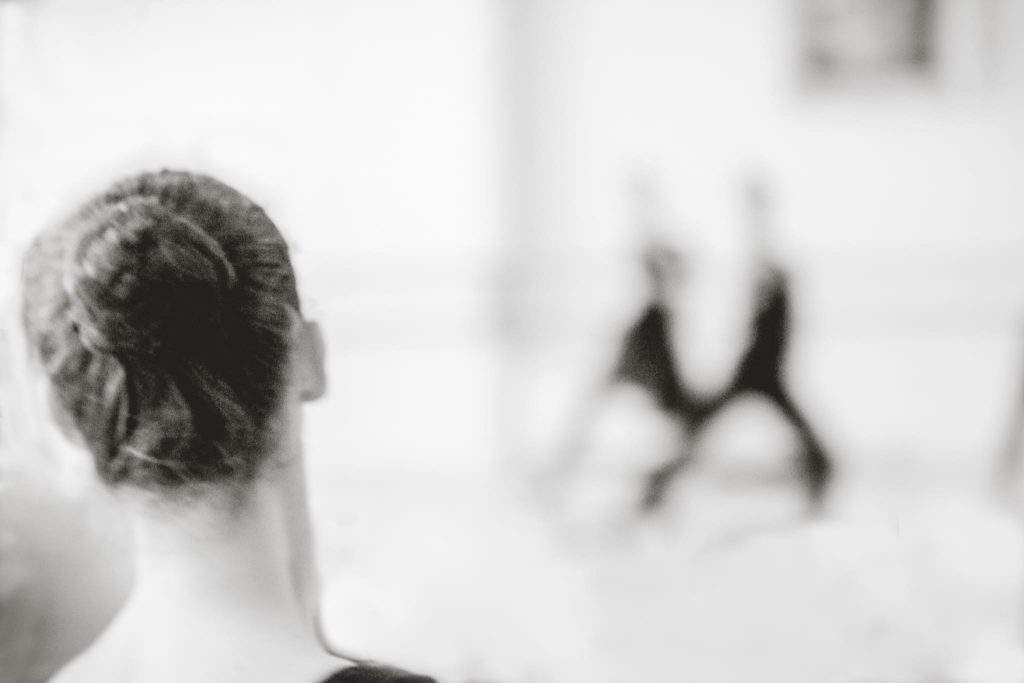
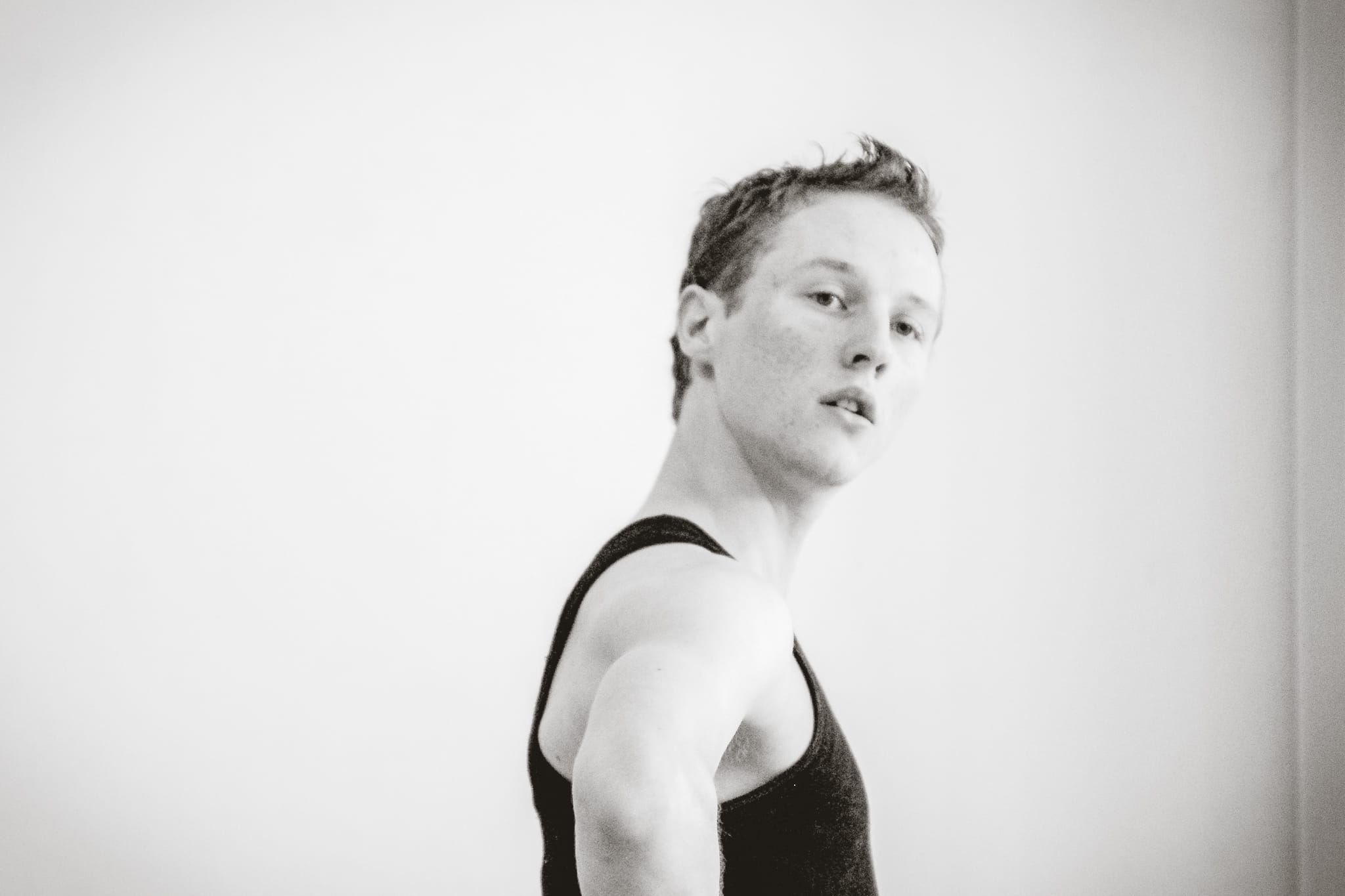
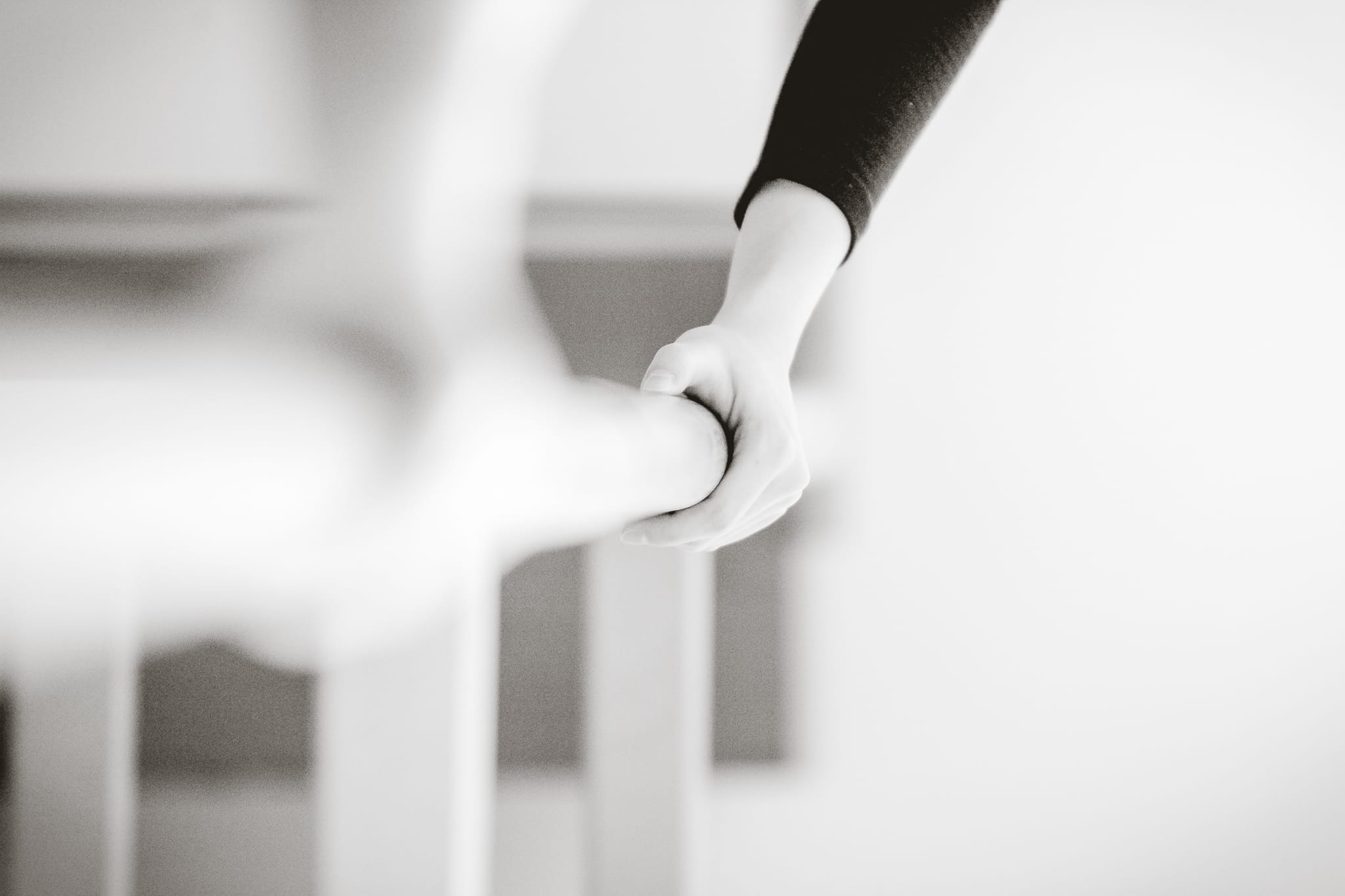
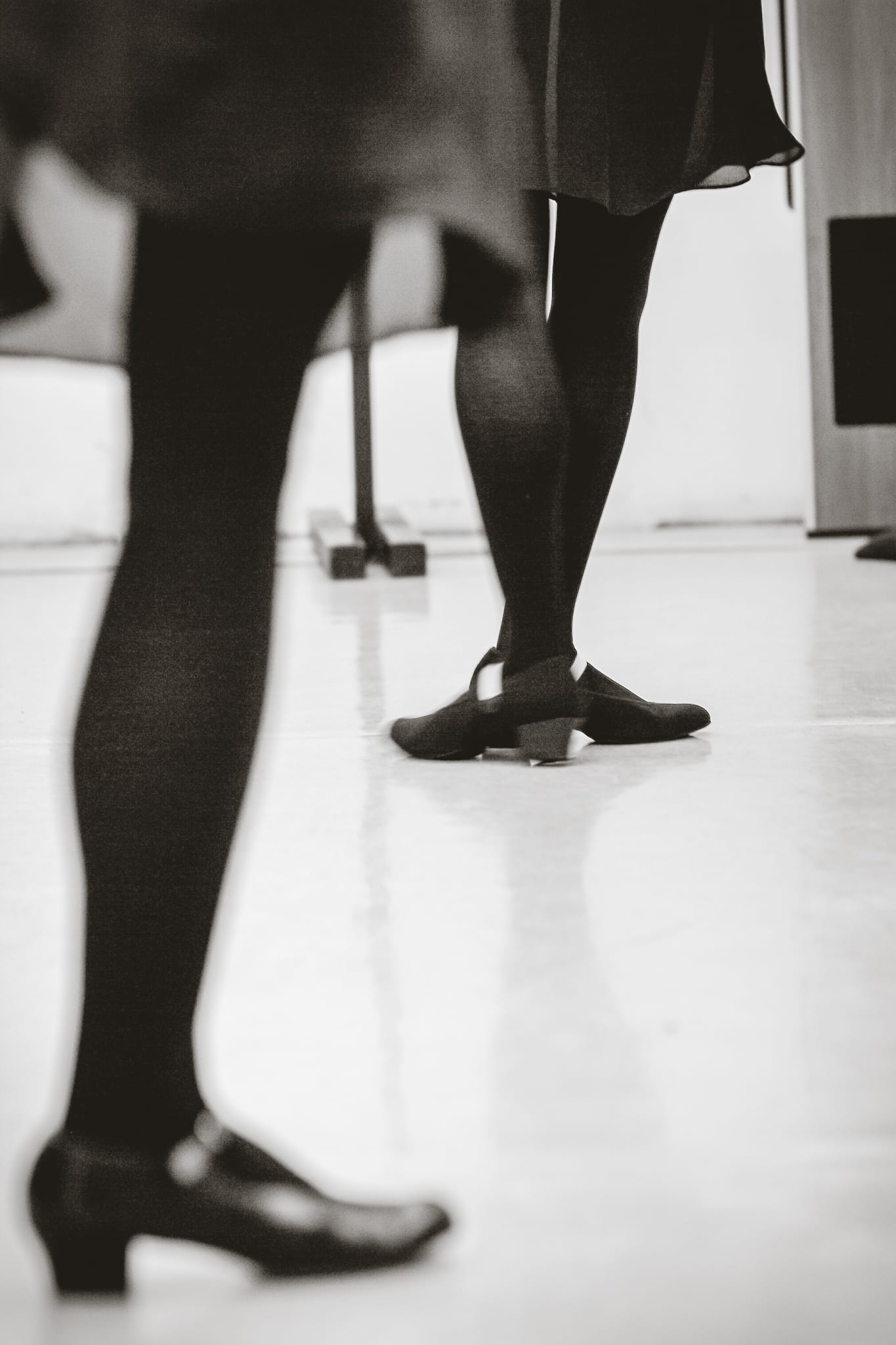
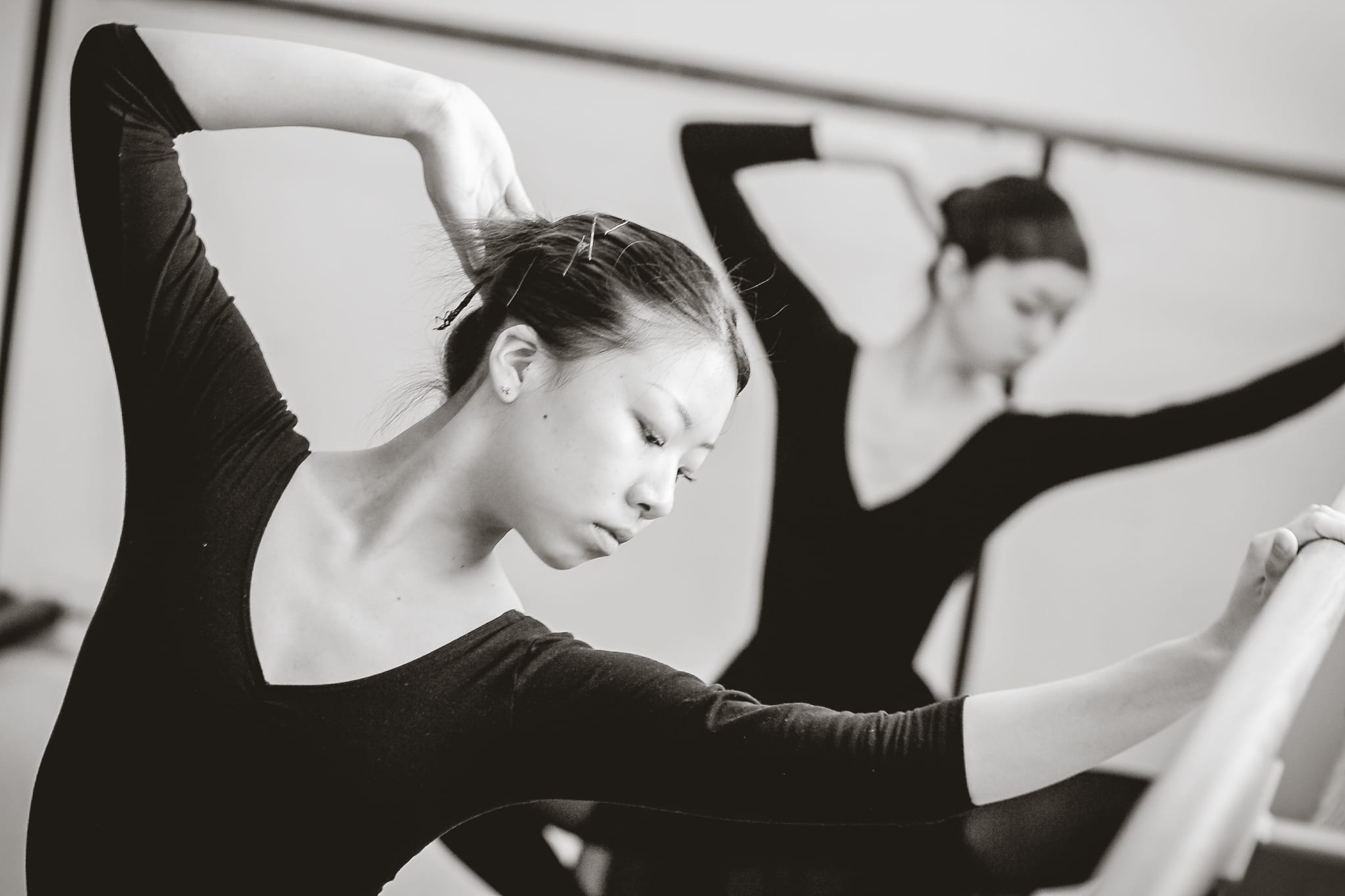
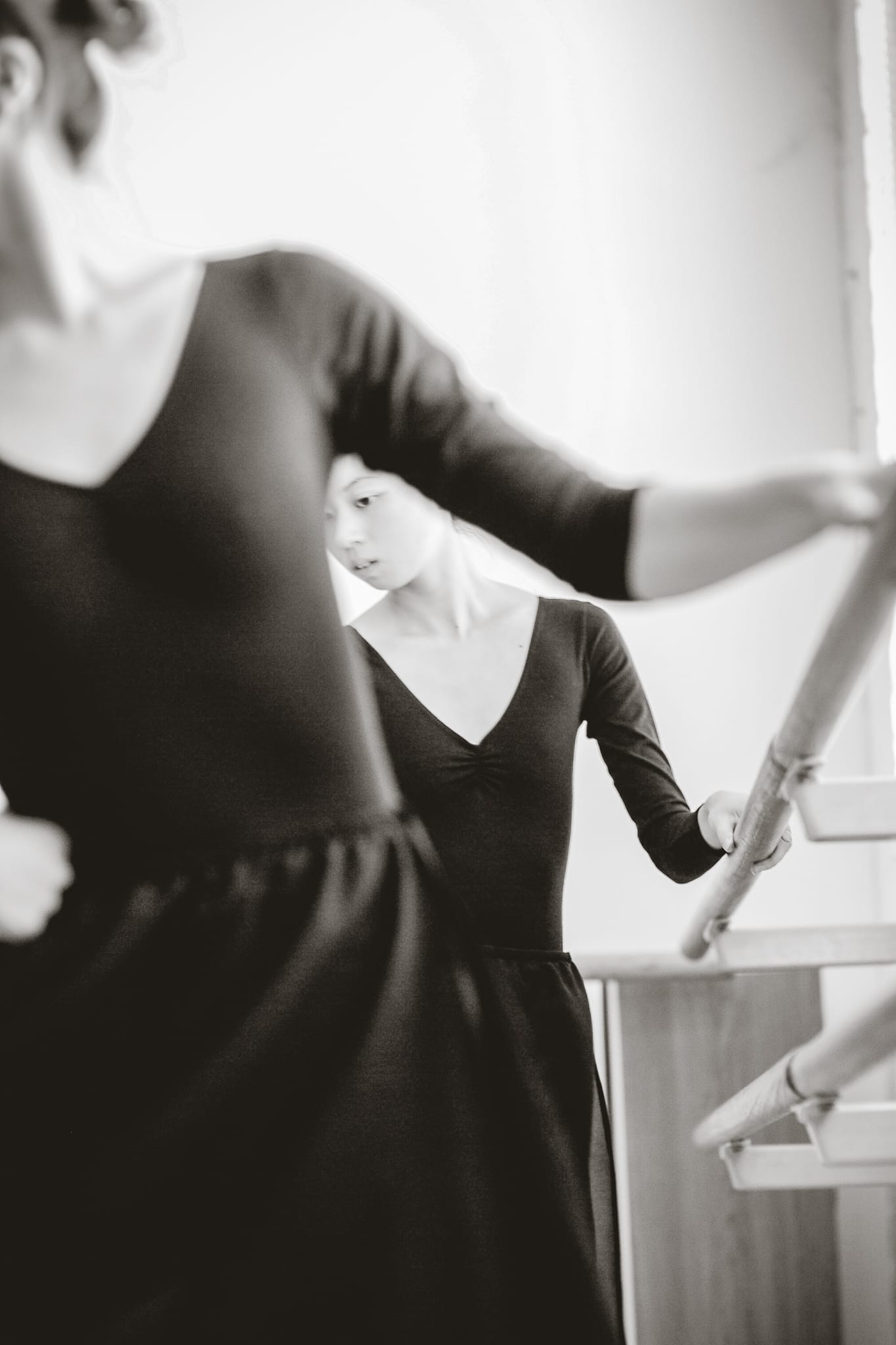
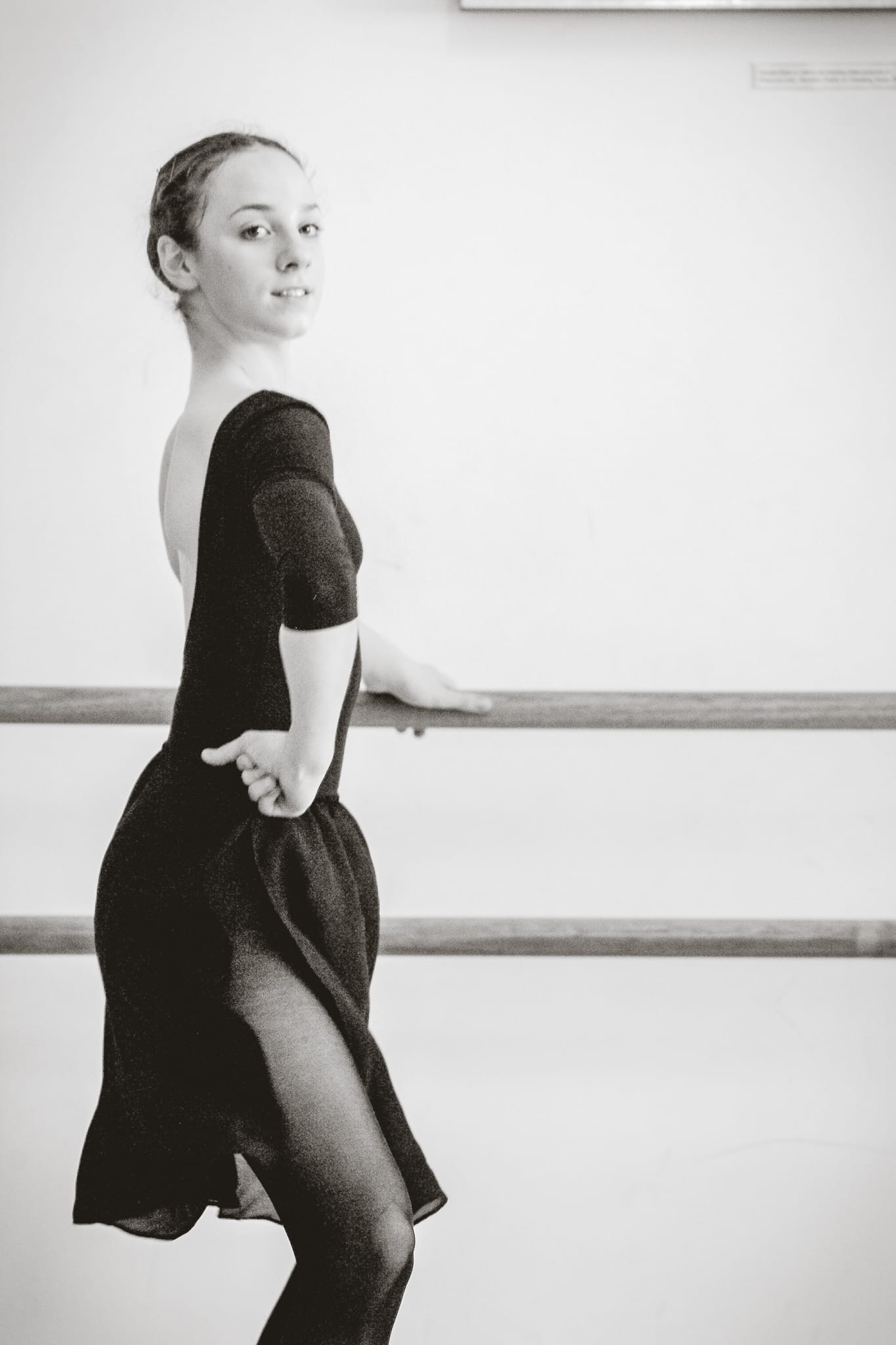
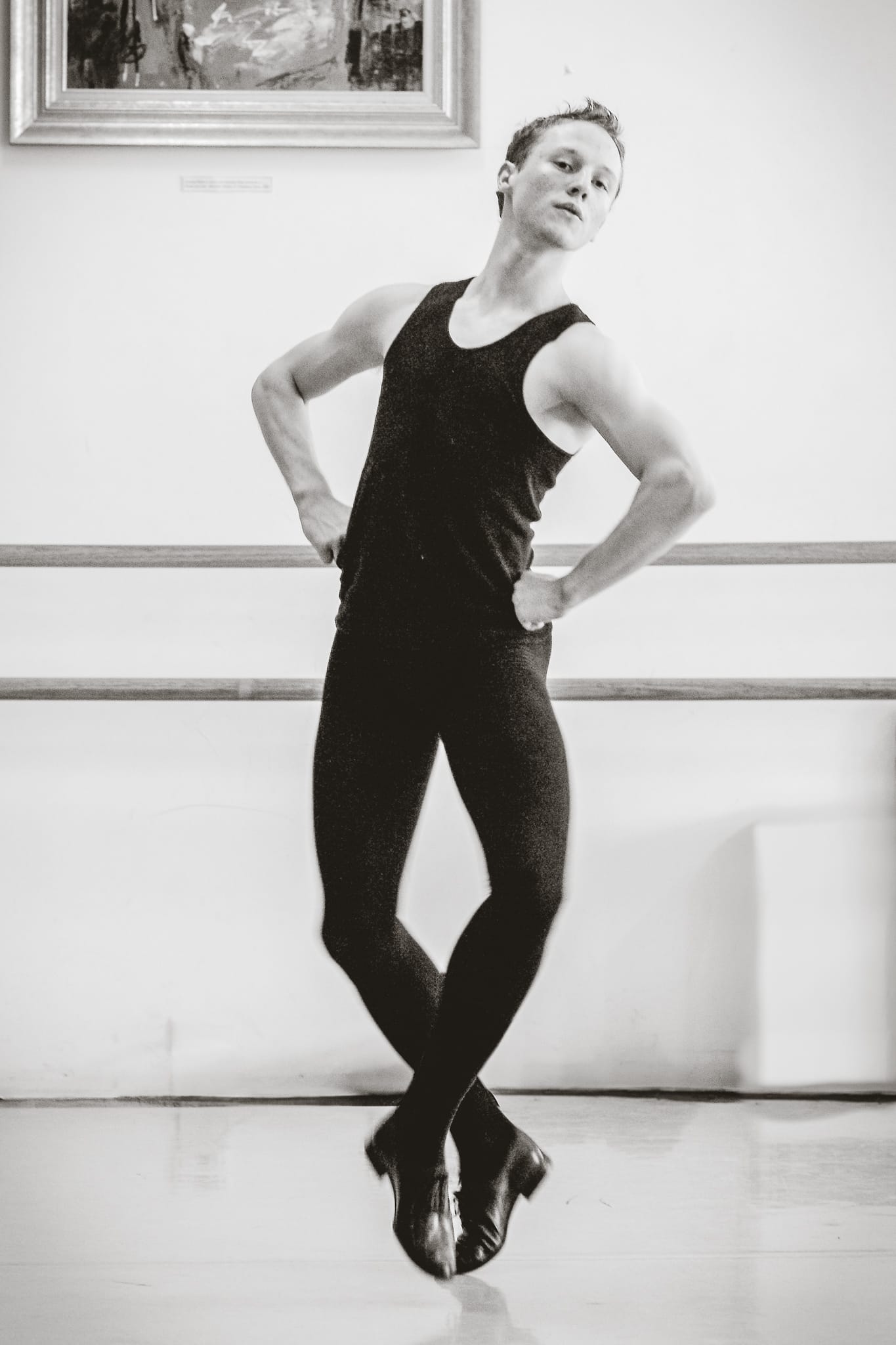
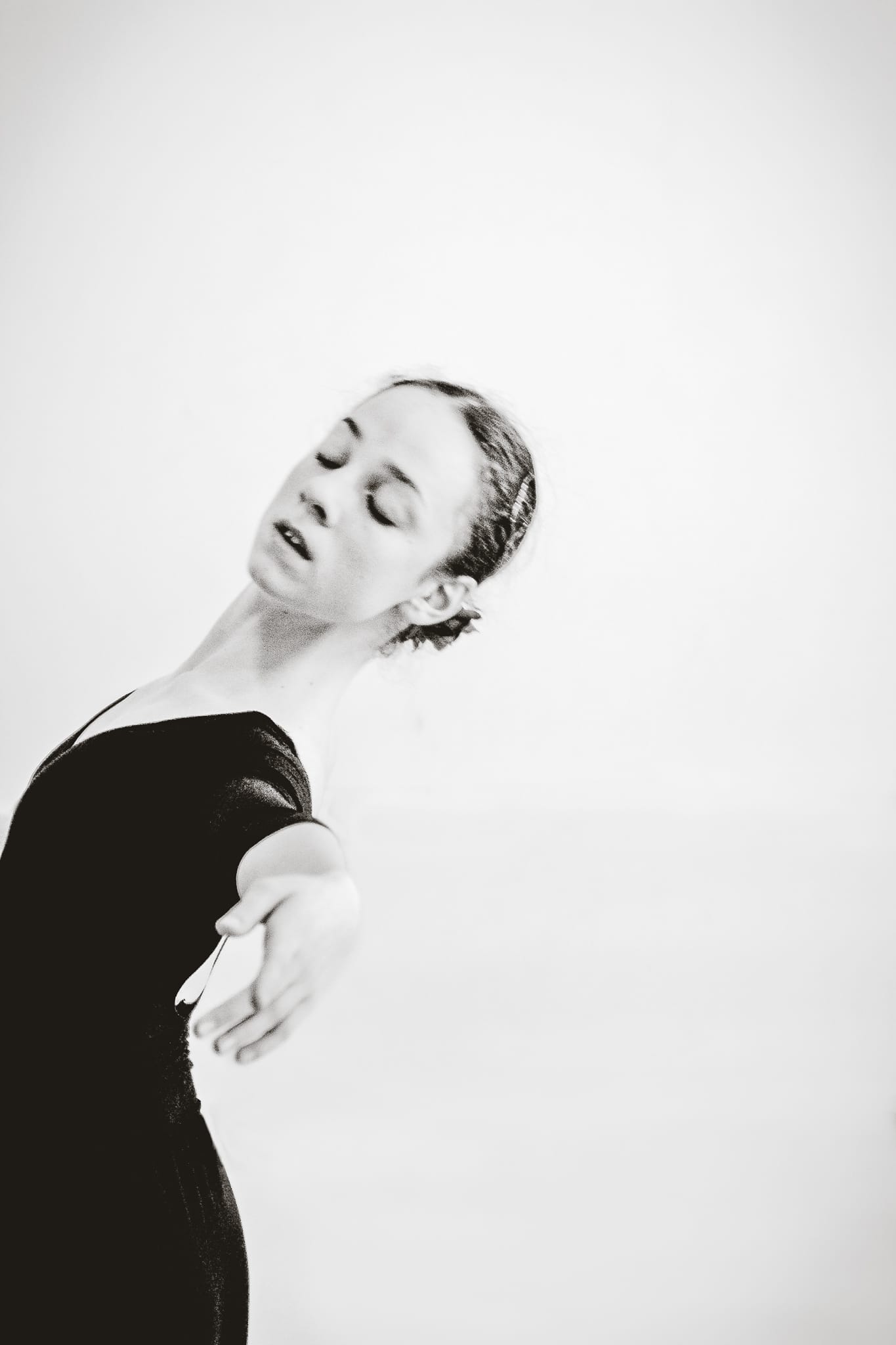
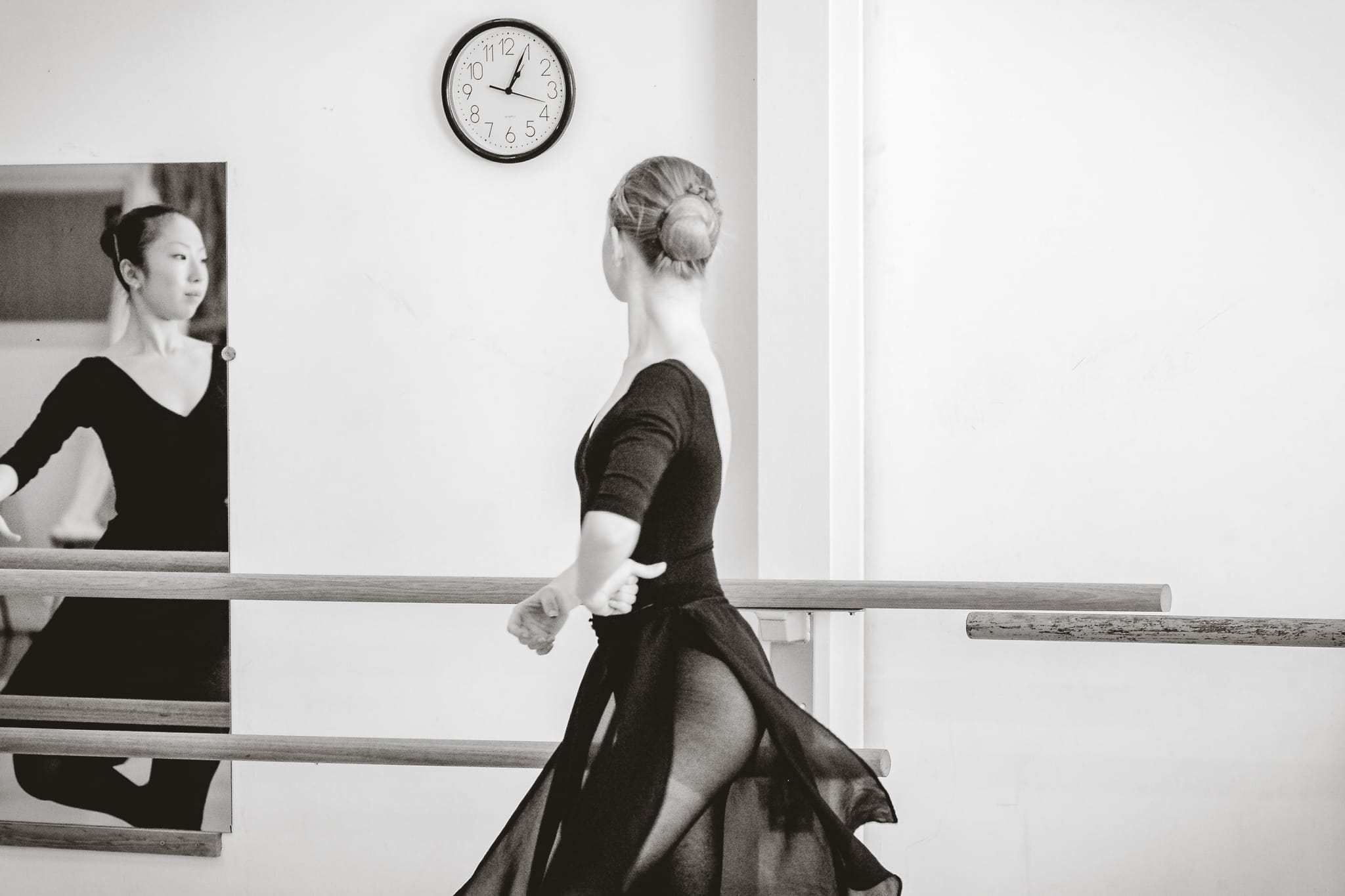
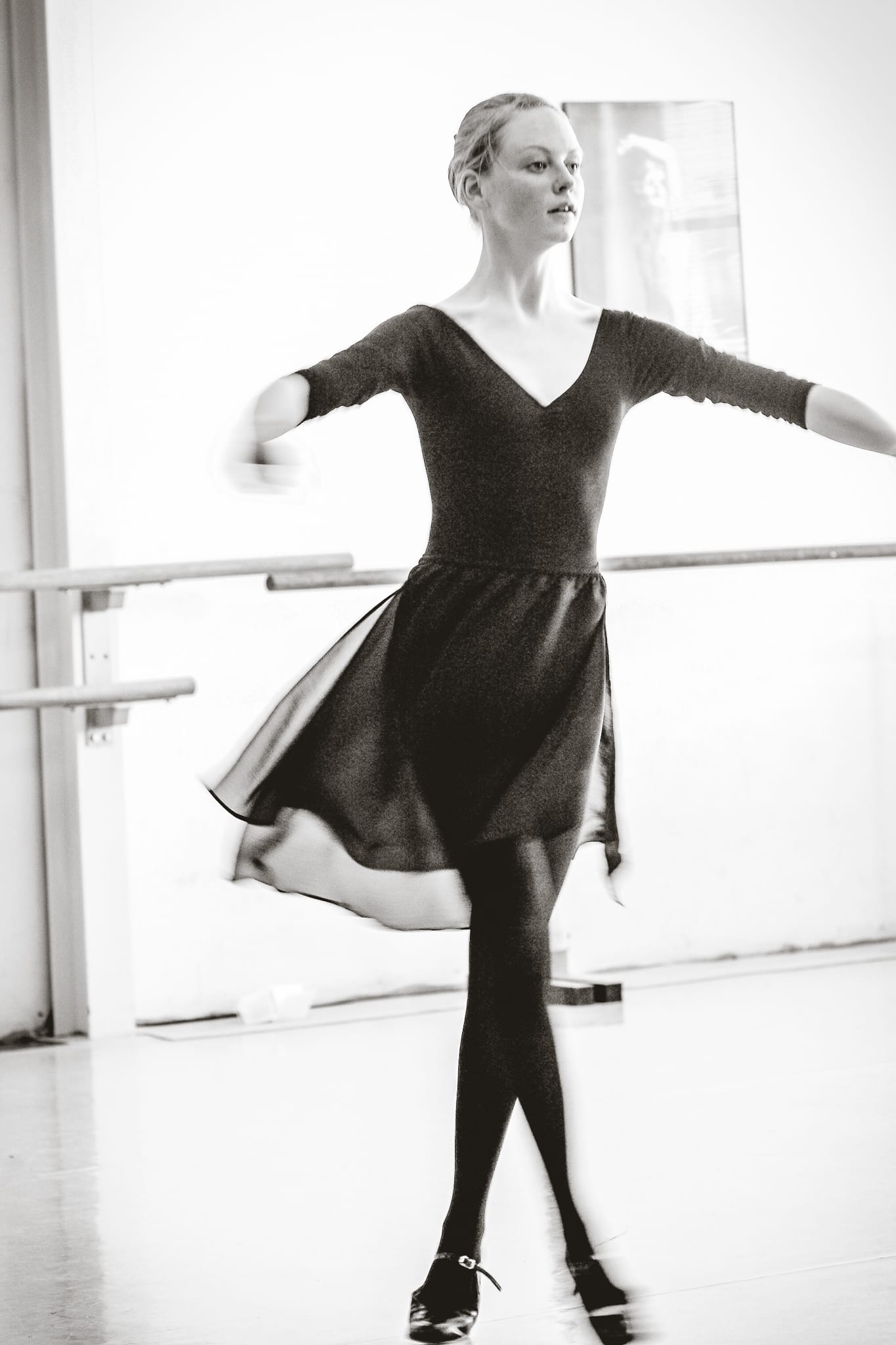
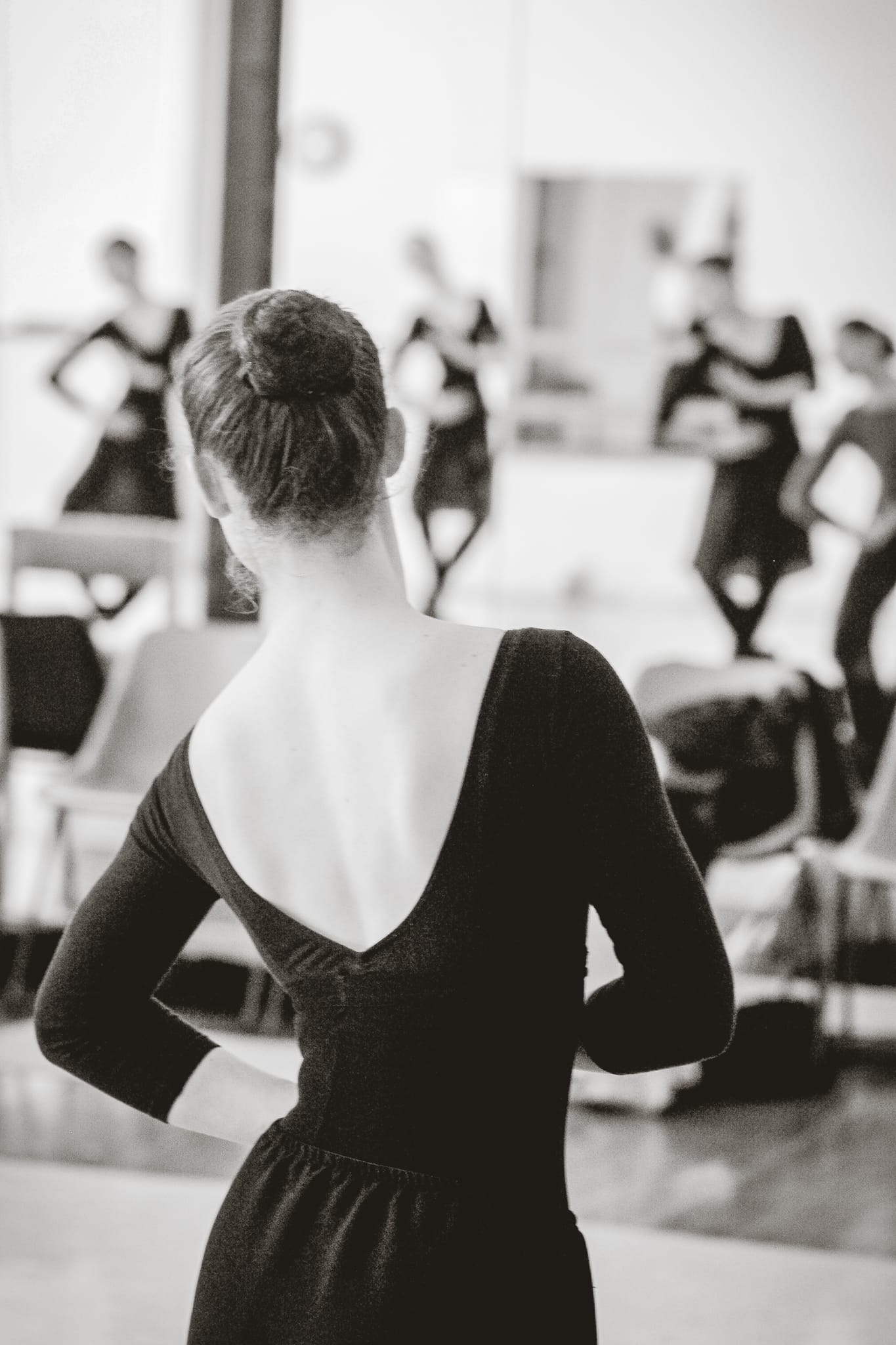
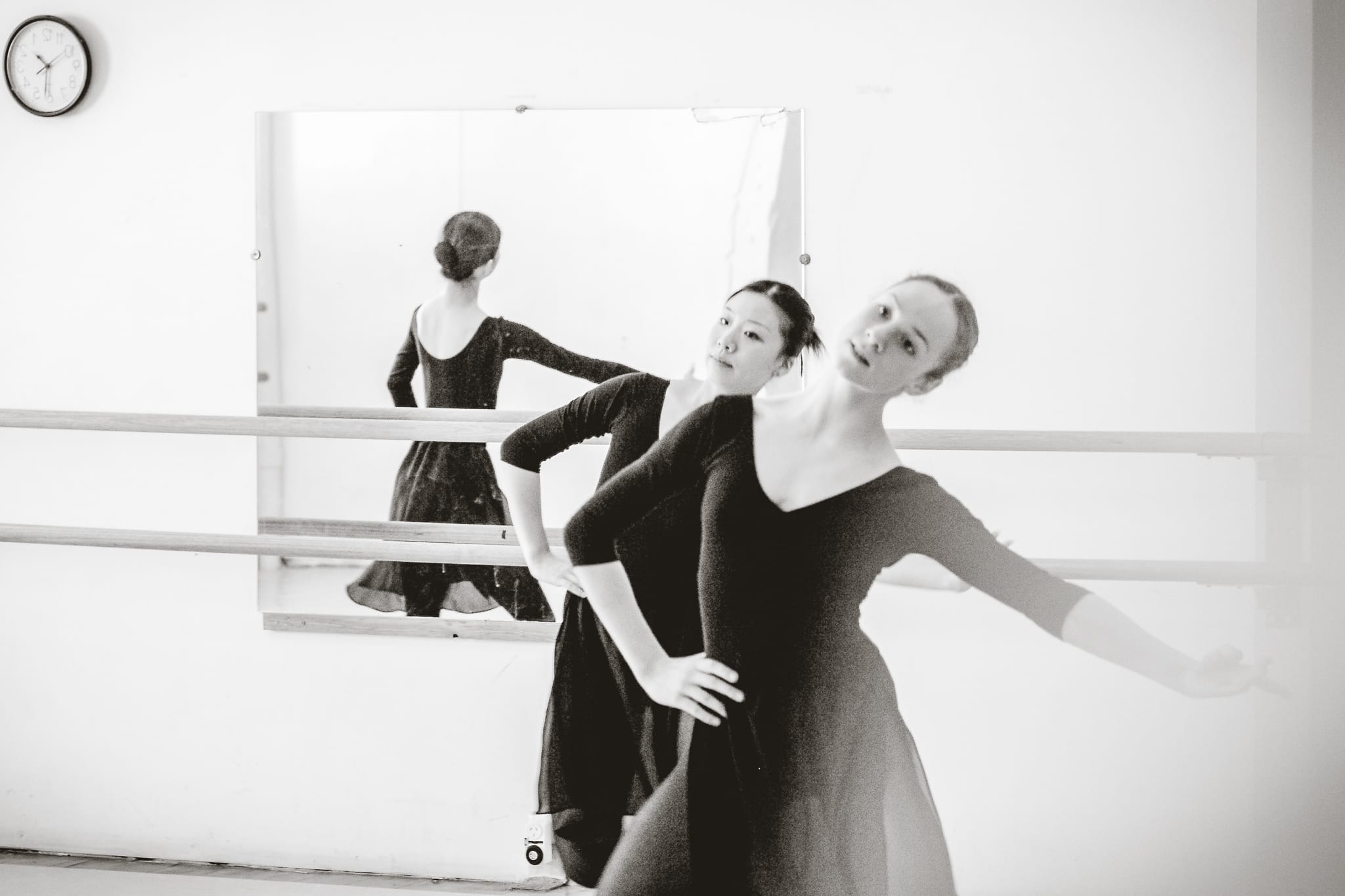
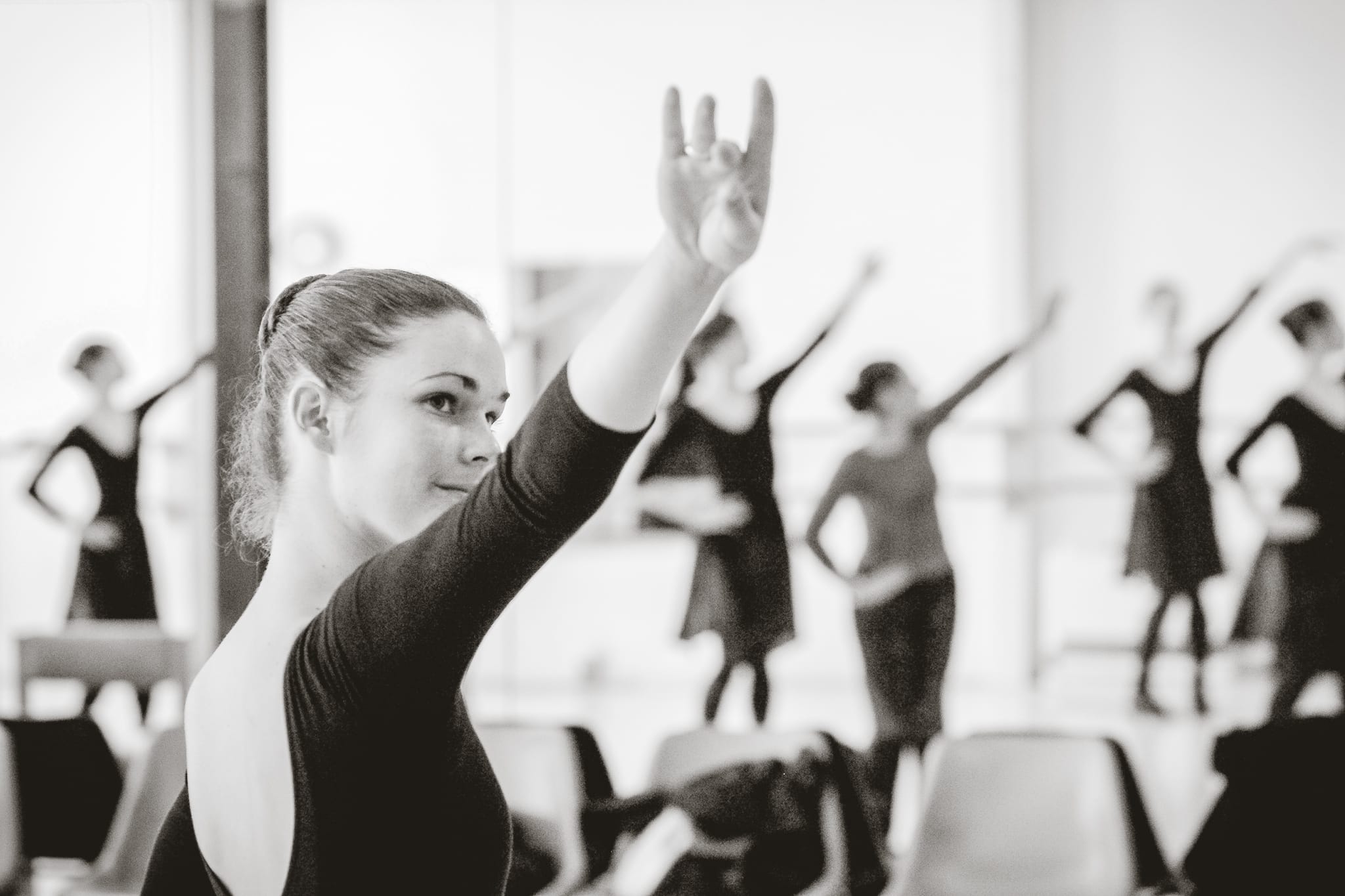
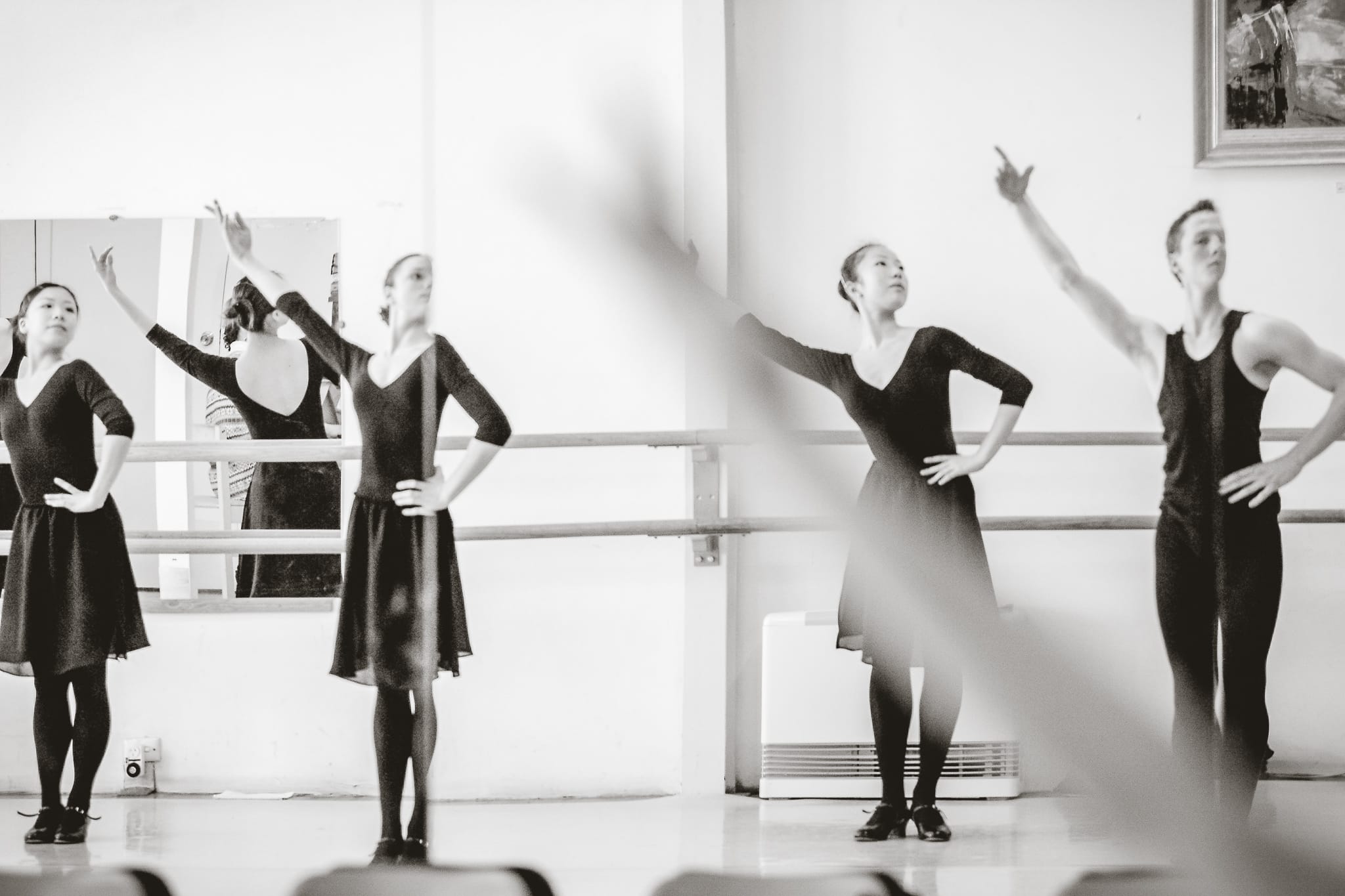
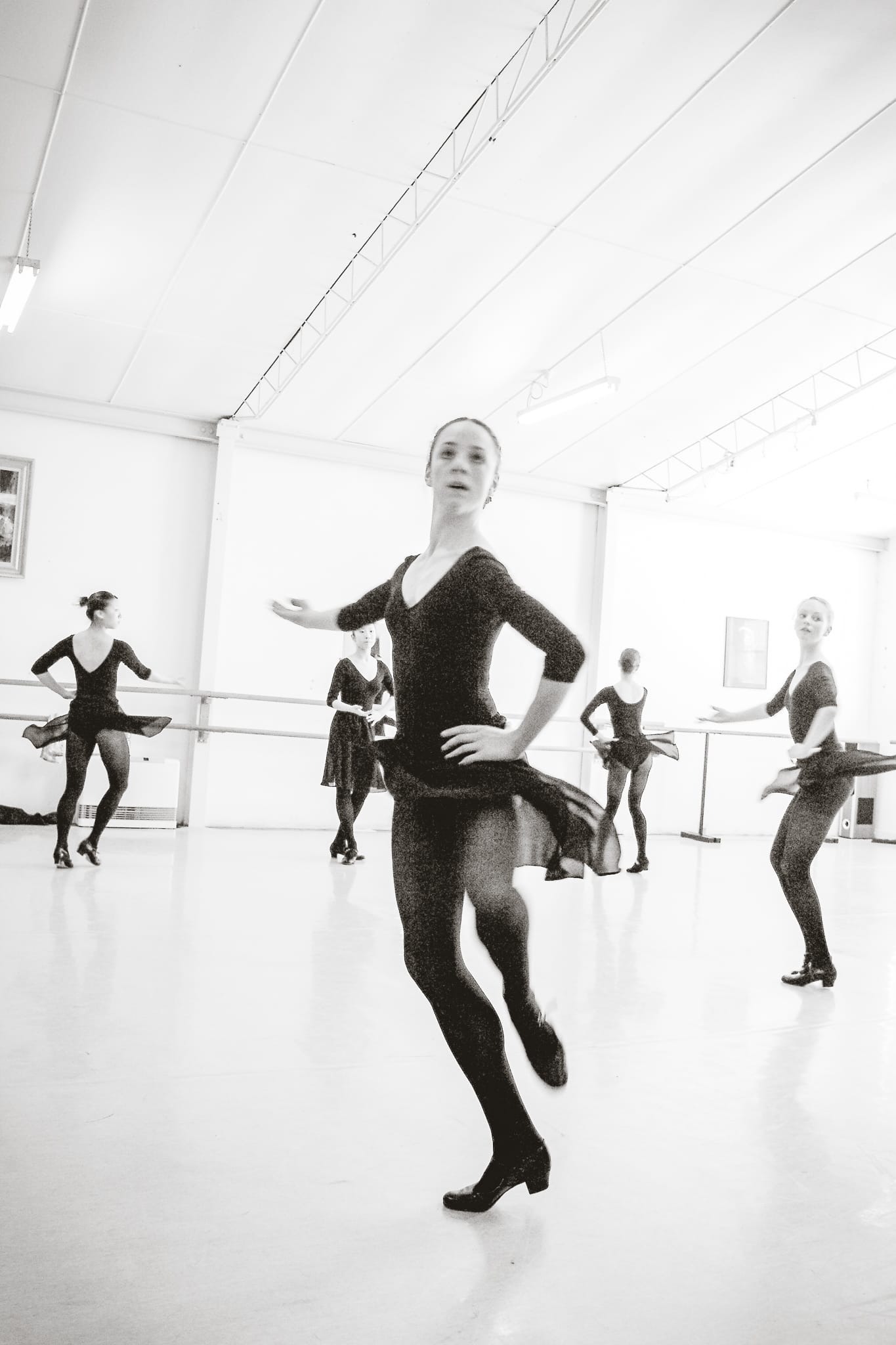
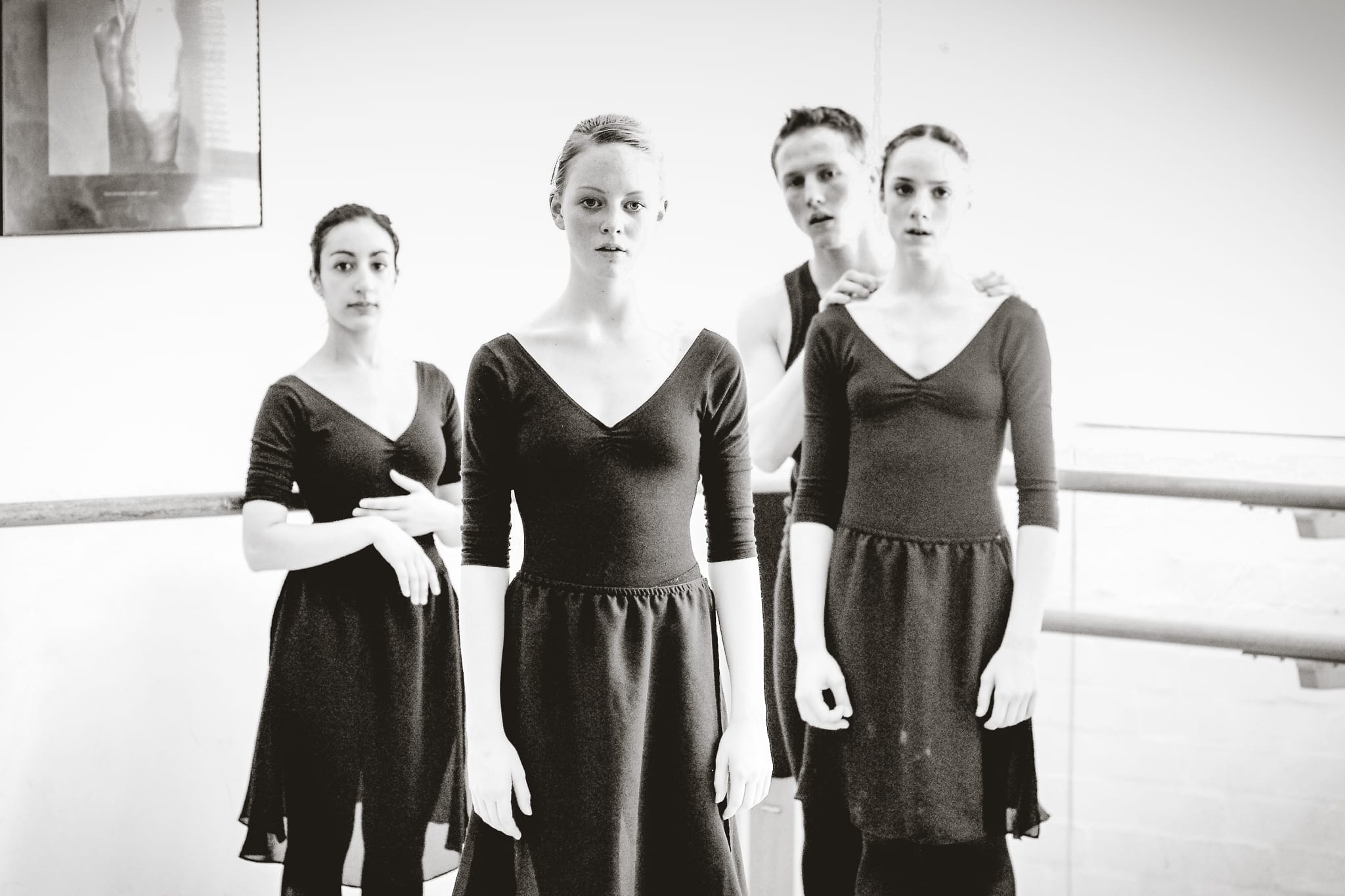
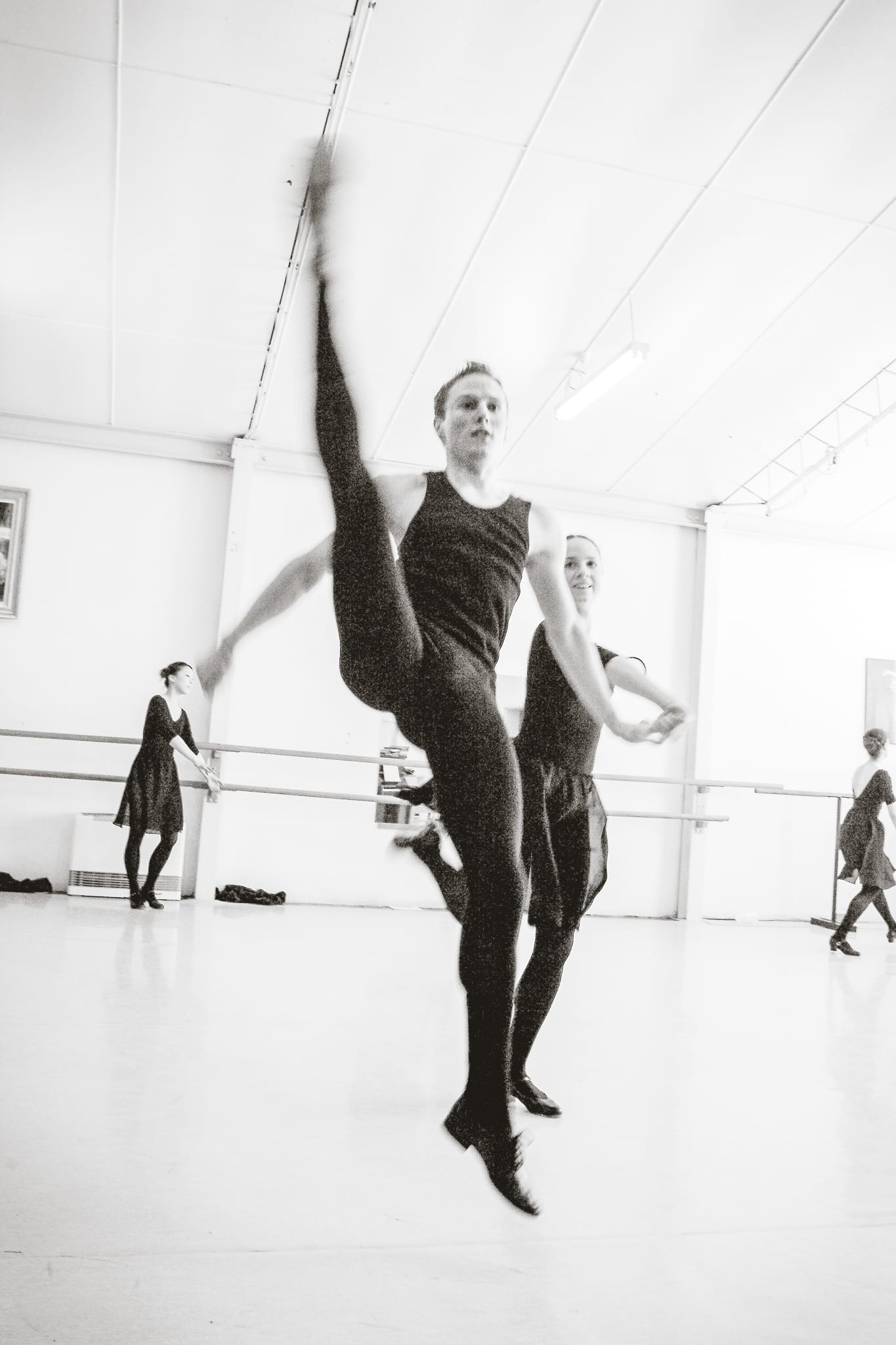
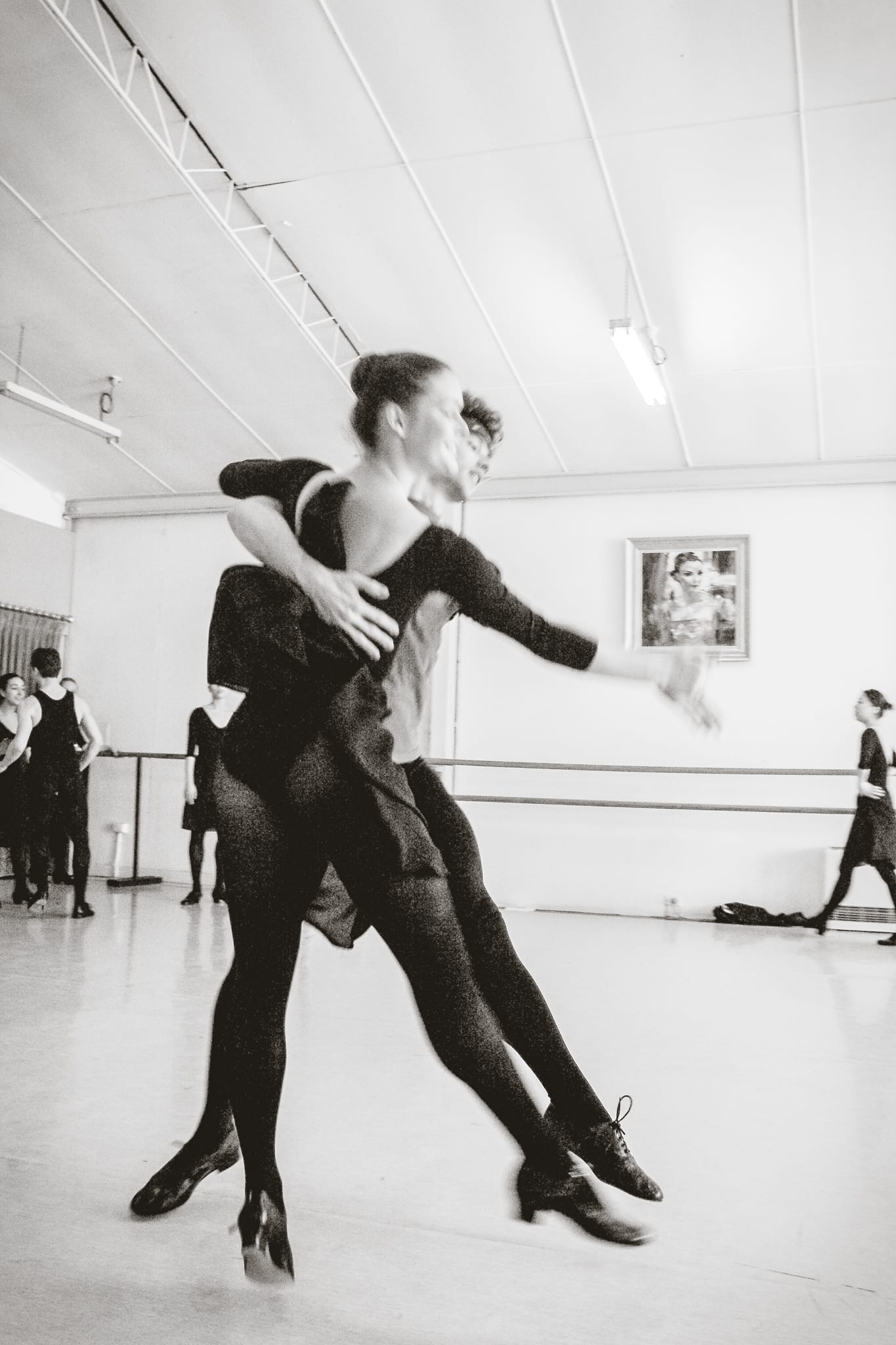
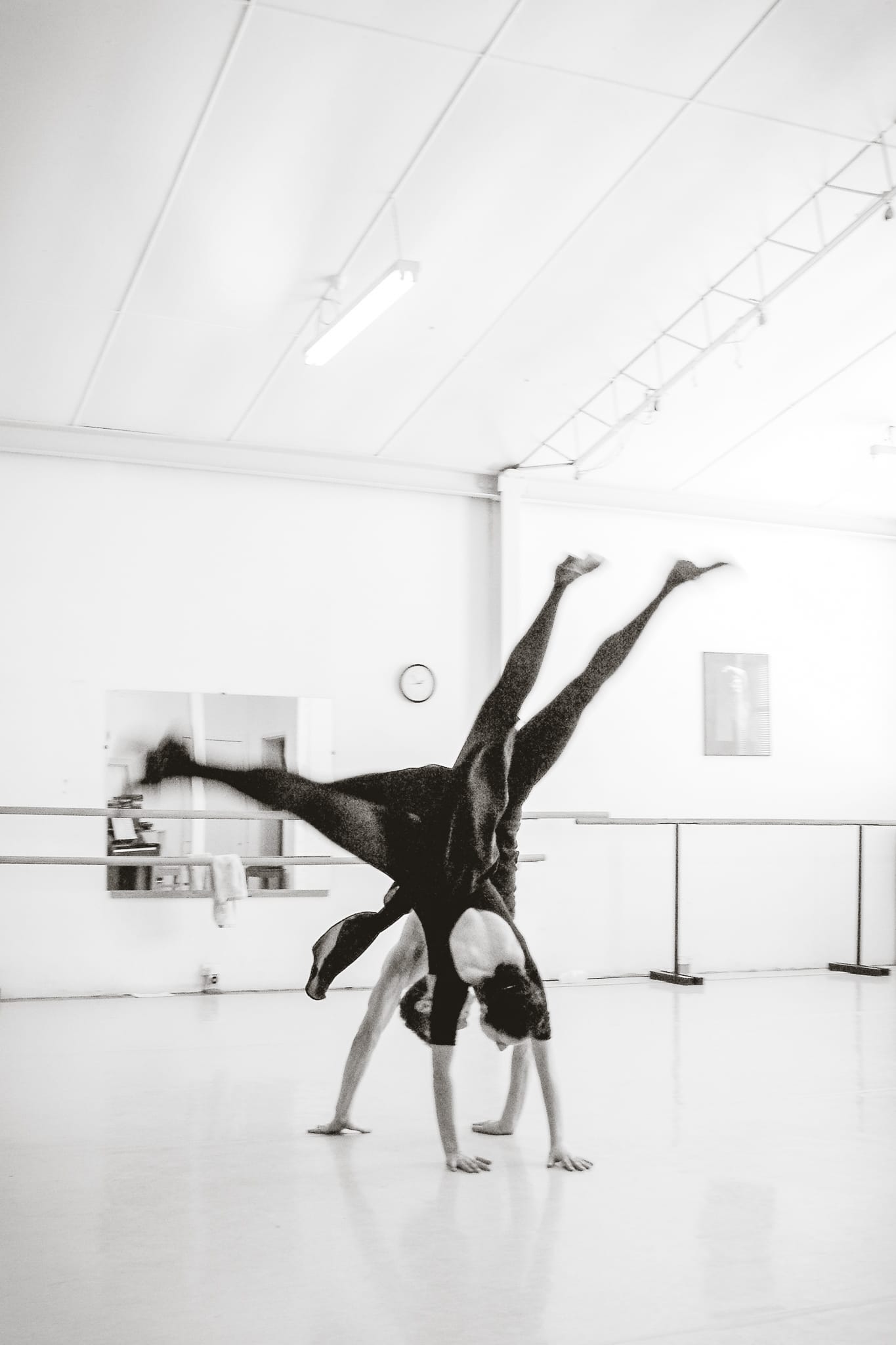
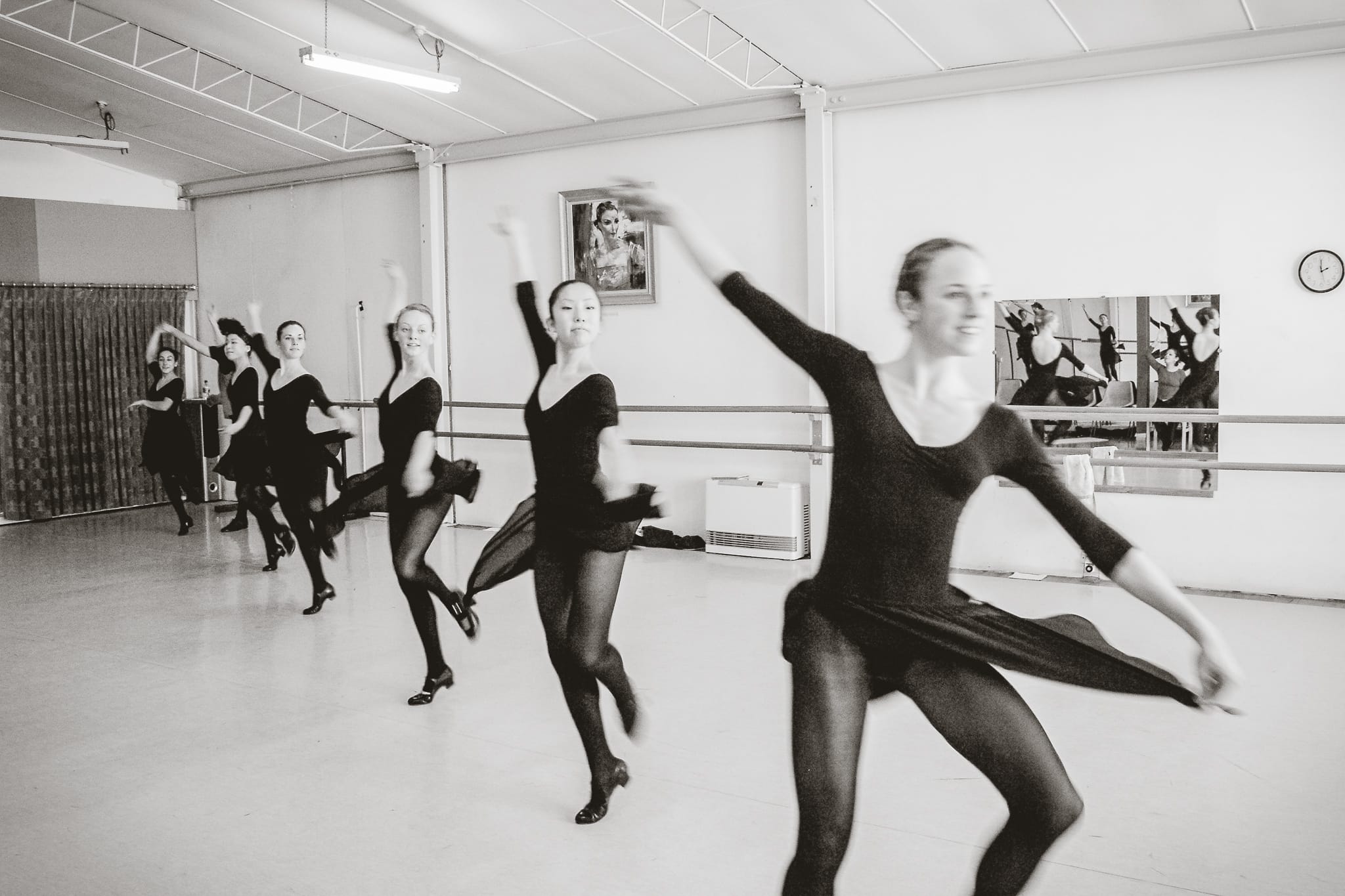
Alida Segal recently invited me to photograph her Character Dance class at the Christine Walsh School of Dance in Fitzroy. It was a privilege to document such dedicated artistry within an institution led by one of Australia’s most distinguished figures.
Christine Walsh, a Principal Dancer of significant international standing, brings over 40 years of professional excellence to her school. A graduate of the Australian Ballet School, Christine rose to the rank of Principal Artist, commanding major roles in Swan Lake, Giselle, Sleeping Beauty, Onegin, and Romeo and Juliet, among many others. Her illustrious career also included Principal roles with the Roland Petit Ballet de Marseille, most notably in Carmen and Coppelia.
Leading the session was Alida Segal, an Honours Graduate of Russia’s prestigious Moiseyev School of National Character and Dance in Moscow. Widely regarded as one of Australia’s most respected dance lecturers and choreographers, Alida has dedicated over 28 years to serving as an advisor, teacher, and choreographer for leading professional companies and training institutions, bringing an unparalleled depth of expertise to her craft.
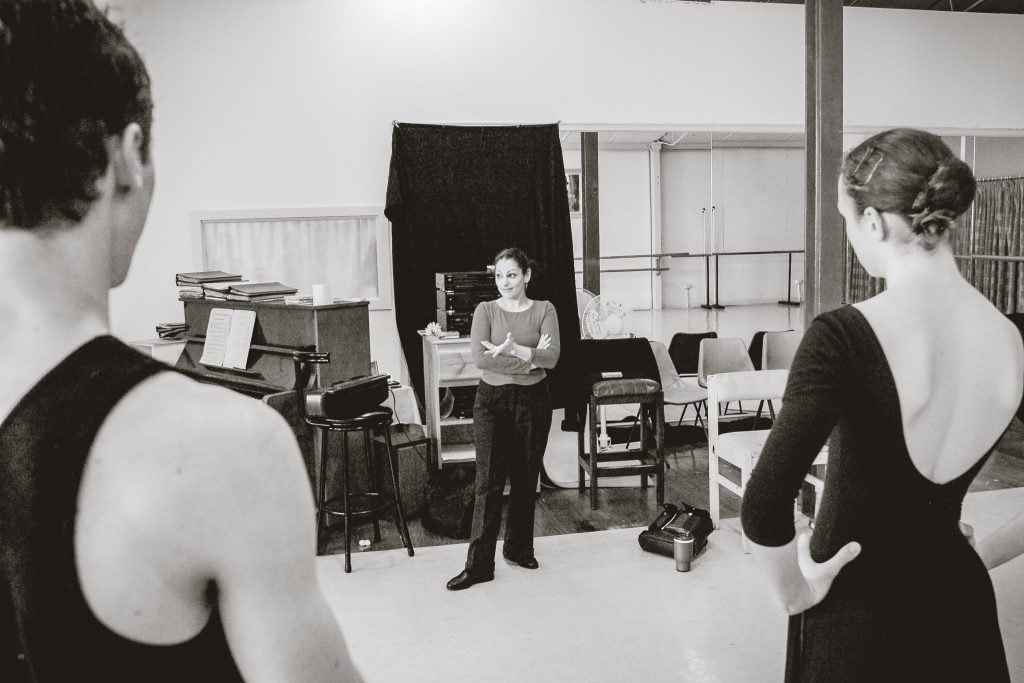
Alida’s performance history spans continents, including appearances across Australia with the Kolobok Dance Company and a notable performance at Moscow’s Tchaikovsky Concert Hall with the Moiseyev School. Her extensive career as an educator and choreographer includes lecturer roles and assessment panel memberships at The Australian Ballet School, alongside appointments with The Australian Conservatoire of Ballet, Shalom Australia Dance Company, the Queensland University of Technology, The Victorian College of the Arts, and The National Theatre Ballet School.
Character dance serves as a vital subdivision of classical dance, representing the stylized manifestation of traditional folk and national movements adapted for the stage. It remains an integral component of the classical ballet repertoire; for instance, the national dances featured in the opening of Act II of Swan Lake and the Spanish-inspired variations within Don Quixote exemplify its importance.
From the Hungarian csárdás and Polish mazurka to the Italian tarantella and Spanish flamenco, these adaptations are essential studies. It is for this reason that most serious ballet schools worldwide include comprehensive character dance training within their core curriculum.
The Art of Motion: Expertise in Dance Photography
Dance photography is a specialized genre that captures the beauty, grace, and energy of dancers in motion. It requires a unique synthesis of technical mastery and artistic intuition to distill the fluidity and emotion of a performance into a single, resonant image. Through my years of experience, I have refined a set of essential disciplines to capture this artistry:
- Understanding the Form: Mastery begins with deep knowledge of the dance style. Each form possesses unique movements and characteristics that must be understood to truly capture its essence.
- The Precision of Timing: Capturing the peak of a movement is crucial. By remaining patient and familiarizing myself with the musicality of a performance, I am able to anticipate and trigger the shutter at the decisive moment.
- Mastery of Light: Proper lighting is essential to enhance mood and atmosphere. Whether utilizing natural light or intricate artificial setups, I manipulate light to emphasize the dancer's form and heighten the drama of their movement.
- Compositional Intent: The difference between a photograph and a stunning image lies in the composition. I focus intensely on the dancer's positioning, the geometry of their lines, and the interplay with the environment.
- Technical Execution: I utilize fast shutter speeds to freeze motion, balanced with wider apertures to create a shallow depth of field, effectively isolating the dancer and bringing their performance into sharp, singular focus.
Dance photography remains a challenging yet deeply rewarding pursuit. My commitment is to not only document the movement but to manifest the innate beauty and vibrant energy that define the dancer’s soul.